
The urgent buyer
01
Somebody needs you today.
A truck is down and something needs sourcing now. They call the first credible result. Speed, a visible number and the map results decide it.
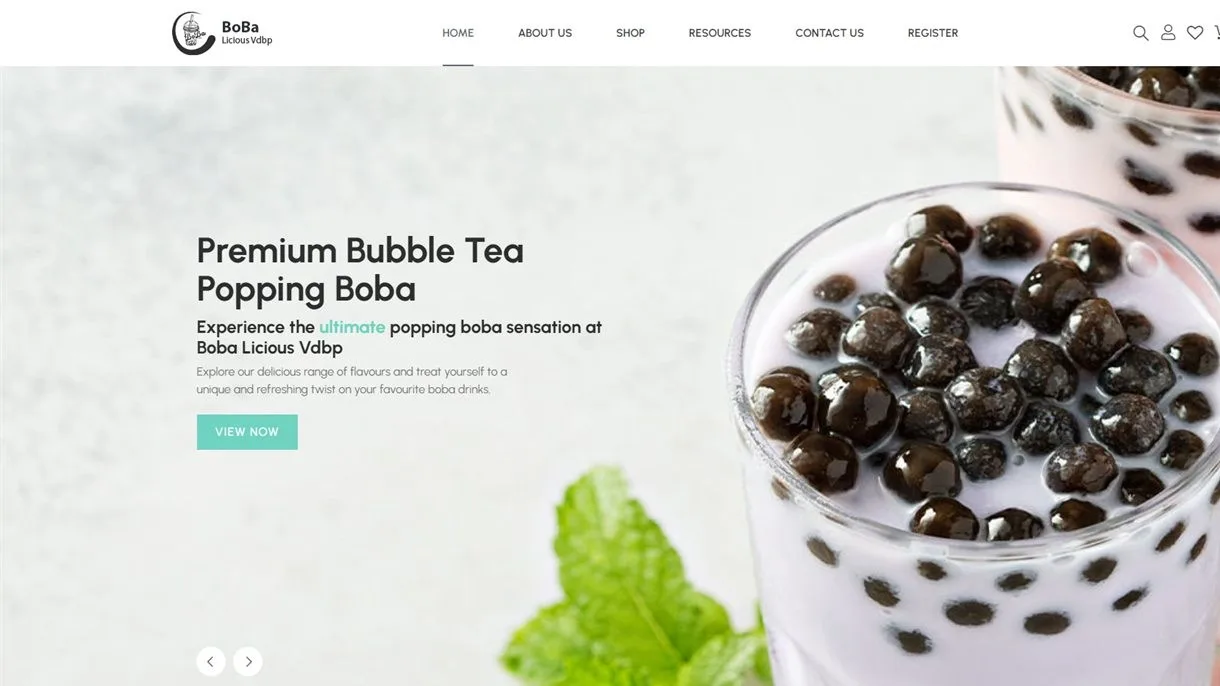 Boba LiciousOnline store
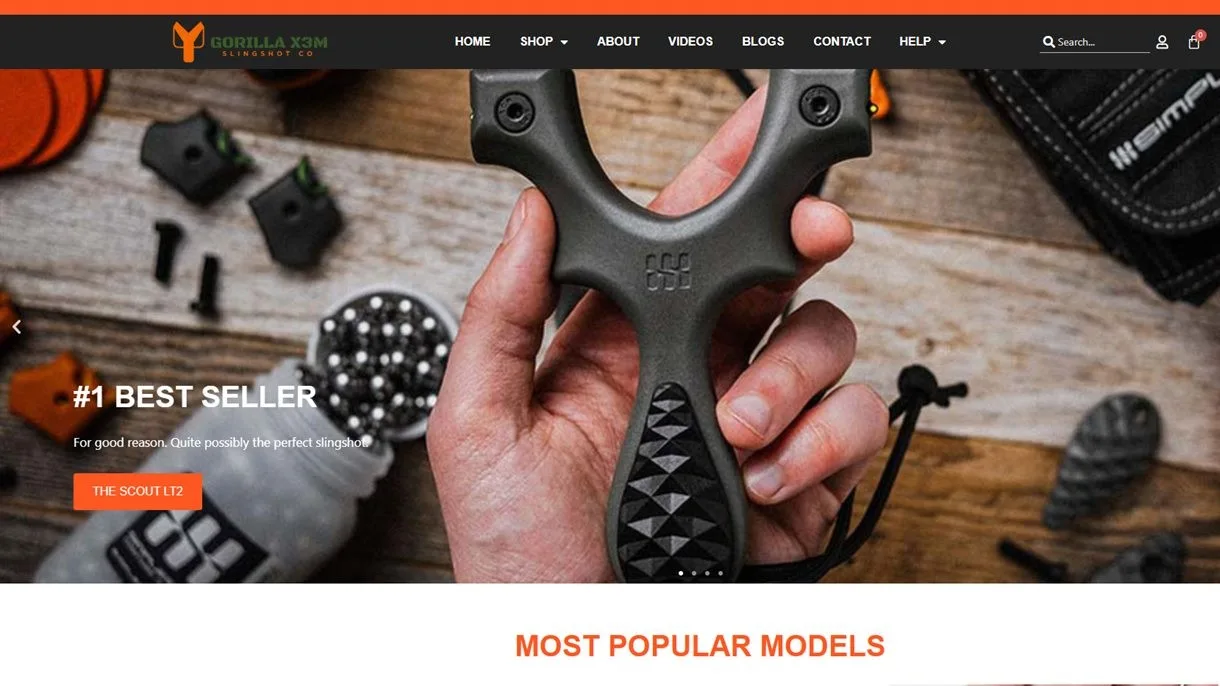 Gorilla X3M Slingshot CoOnline store
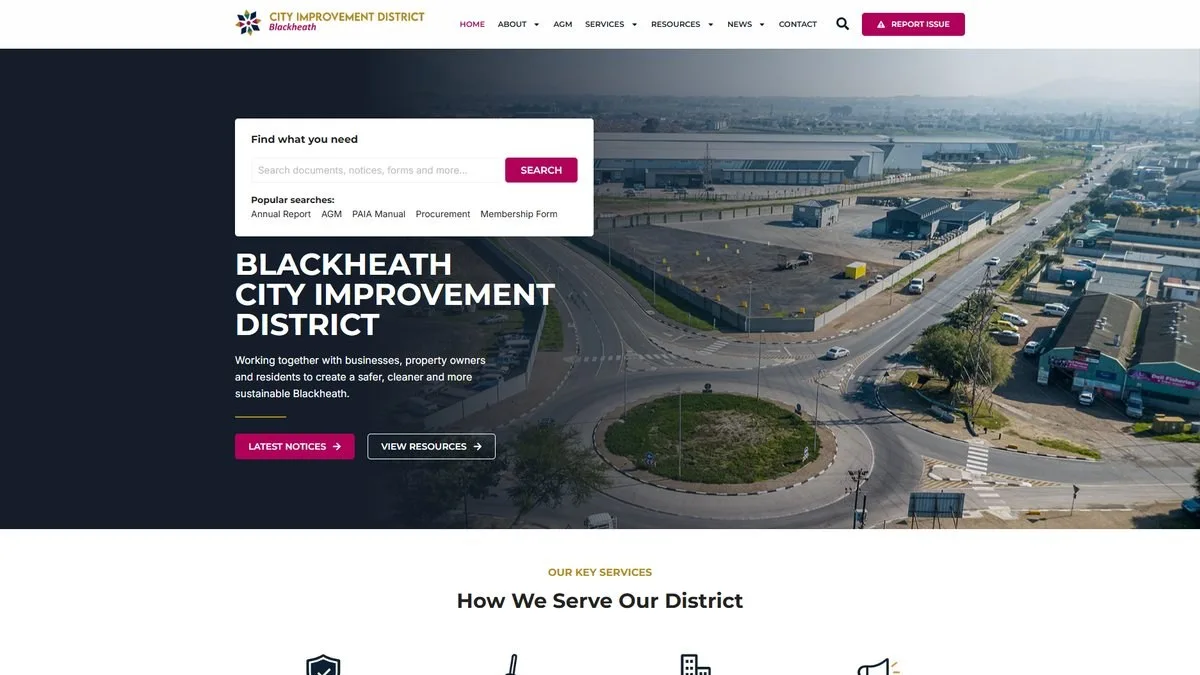 Blackheath CIDWebsite
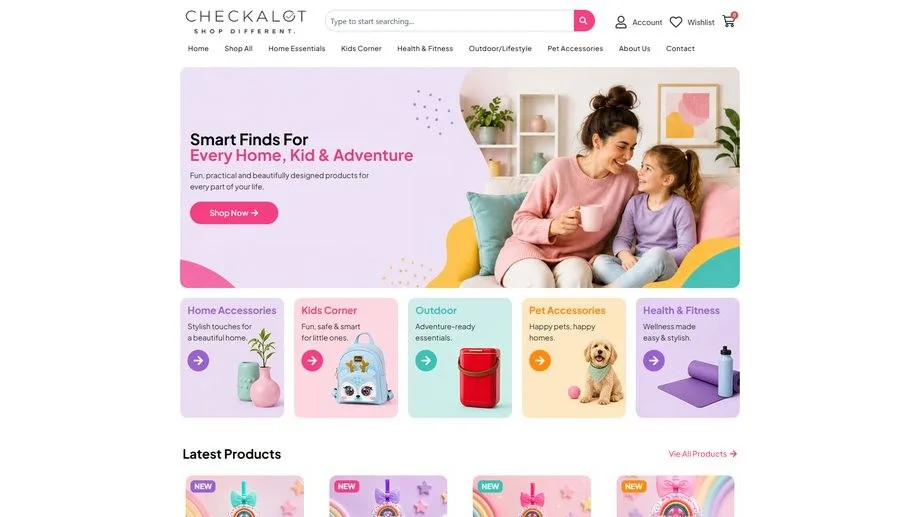 CheckalotOnline store
Websites and search visibility for South African fleet, parts and logistics businesses, built for buyers who are either stuck on the side of the road or quietly shortlisting suppliers months before they call.
A truck is down and something needs sourcing now. They call the first credible result. Speed, a visible number and the map results decide it.
A fleet or procurement manager comparing suppliers for a contract reads before they call, and checks whether you can carry the work.
By part number, by town and by route. A site that only describes the company in general answers none of those.
An illustration of the two kinds of buyer a transport business serves.
Transport buyers find suppliers in two completely different ways, and most websites only serve one of them.
There is the driver or workshop needing a part or a repair today, searching on a phone with a deadline. And there is the fleet or procurement manager, reading carefully months before a contract.
The first one needs a number they can tap and a business that shows up in the map results nearby. The second one needs coverage, accreditations and proof you can carry the load.
Most transport businesses are strong with one and invisible to the other. Knowing which is where the work starts.
Depots, routes and the provinces you cover, stated plainly. "Nationwide" alone does not answer the question.
Accreditations, insurance cover, fleet size and years trading. Vague reassurance reads as having something to hide.
A phone number and WhatsApp that work with a thumb, on every page. The urgent buyer will not fill in a form and wait.
If you sell spares, buyers search the OEM or part number. A catalogue that cannot be searched that way loses the sale.
It depends where the enquiries go now. The answer decides what to fix first.
Start with local SEO and Google Ads, so you appear in the map results and at the top when somebody nearby needs a repair or a part.
A WooCommerce store searchable by part number usually earns its cost quickly, with local payment and courier delivery built in.
The website itself comes first. A procurement manager who cannot find your coverage and accreditations moves on to someone who shows them.
If the site cannot convert, everything pointed at it is wasted. That is usually the first thing to fix.
Appearing in the map results when somebody nearby searches for a repair, a part or a haulier.
Learn more The online storeA parts catalogue searchable by part number, with local payment and courier delivery.
Learn more Google AdsBeing the answer for urgent searches from day one, while the slower organic work builds.
Learn more The websiteCoverage, proof and one-tap contact, so both kinds of buyer can act.
Learn moreWhat you rank for, who appears instead of you for urgent searches, and whether the site answers what a procurement manager checks. Free, and yours to keep.
Usually either the site cannot convert, or nobody local can find you. Those need different work.
Delivered in stages with review points, so you see progress instead of waiting.
You know which work is producing and which is not.
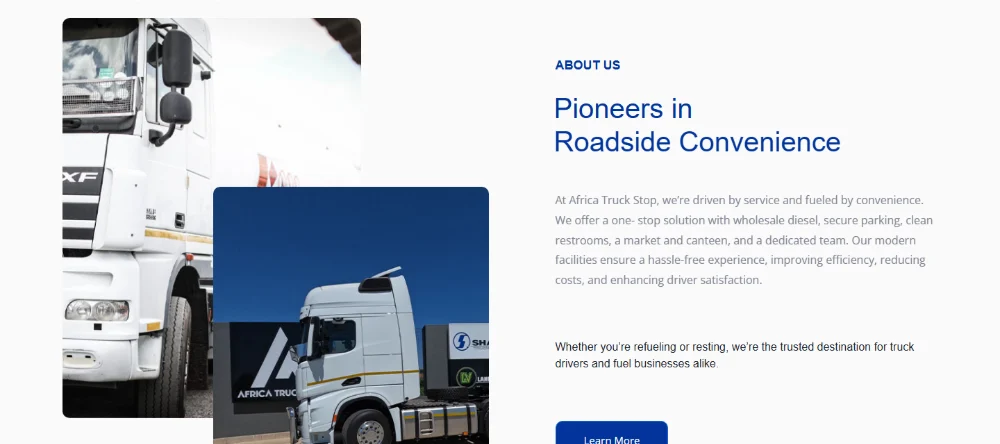 Industrial and tradeAfrica Truck Stopafricatruckstop.comVisit site →
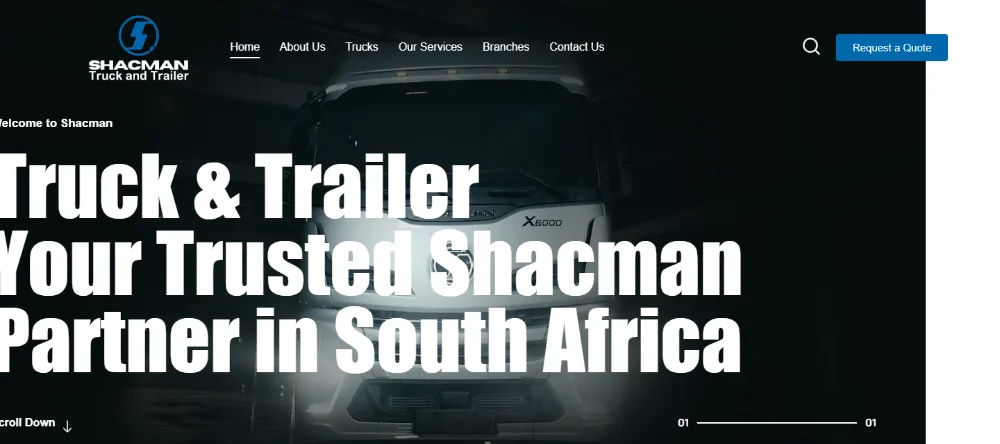 Industrial and tradeShacman Truck & Trailershacmantnt.co.zaVisit site →
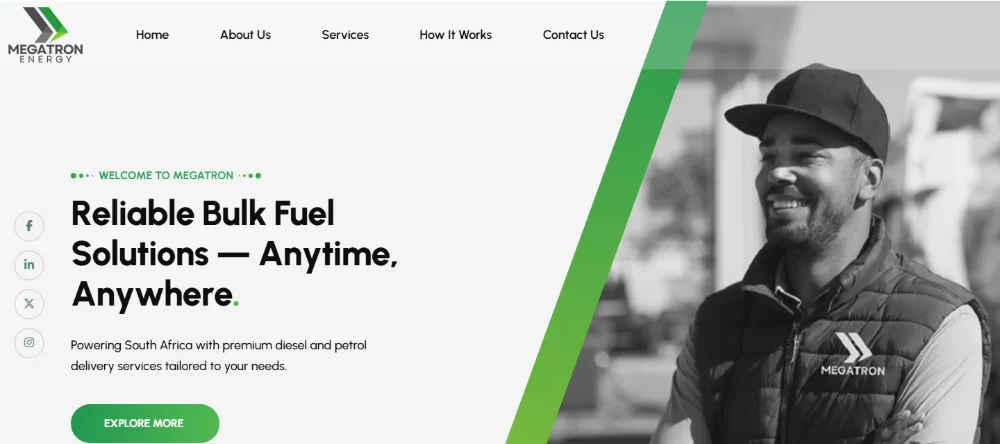 Industrial and tradeMegatron Energymegatronenergy.co.zaVisit site →
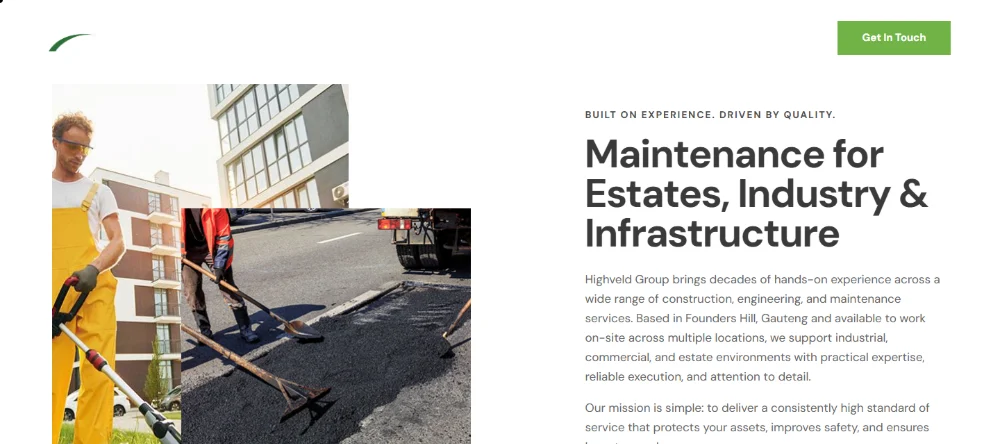 Industrial and tradeHighveld Grouphighveldgroup.co.zaVisit site →
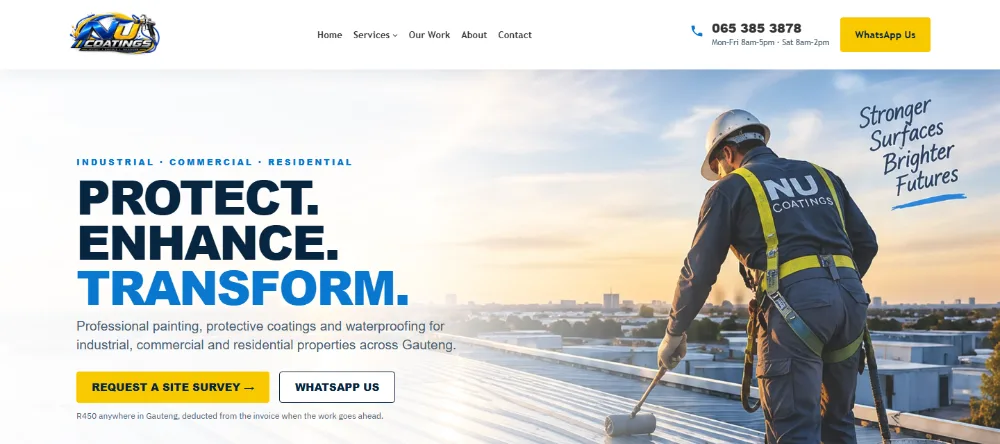 Industrial and tradeNu Coatingsnucoating.co.zaVisit site →
 Industrial and tradeOne Stone Securityonestonesecurity.co.zaVisit site →
Word of mouth still ends at your website. Somebody recommends you, the buyer searches your name, and what they find either confirms the recommendation or quietly undoes it.
Yes, more than you would think. Even national operators get found through searches tied to a depot, a route or a city, which is where the urgent enquiries come from.
Yes, and bulk importing from a spreadsheet is far quicker than loading them by hand. What matters more than the count is that buyers can search by part number and filter by vehicle or make.
For parts, yes: buyers comparing suppliers move on instead of asking for a quote. For contract haulage, no, because the price depends on the load and route. Explaining how pricing is worked out helps there.
Your customers may not browse, but they search, usually on a phone when something has gone wrong. The question is whether you appear in those ten seconds.
Yes. We are based in Gauteng and work with transport and logistics businesses across South Africa, including Johannesburg, Pretoria, Durban, Gqeberha and Cape Town. Everything runs remotely, and local search is set up for wherever you actually operate.
Send us your web address. We will check what you rank for, who appears instead of you for urgent searches, and whether your site answers what a procurement manager checks. Free, with a reply in one business day.
Read our reviews on Google