
What they search
01
They search the spec, not the brand.
Material grade, dimension, process, standard. If your site only talks about your company, you are invisible to the search that matters.
 Boba LiciousOnline store
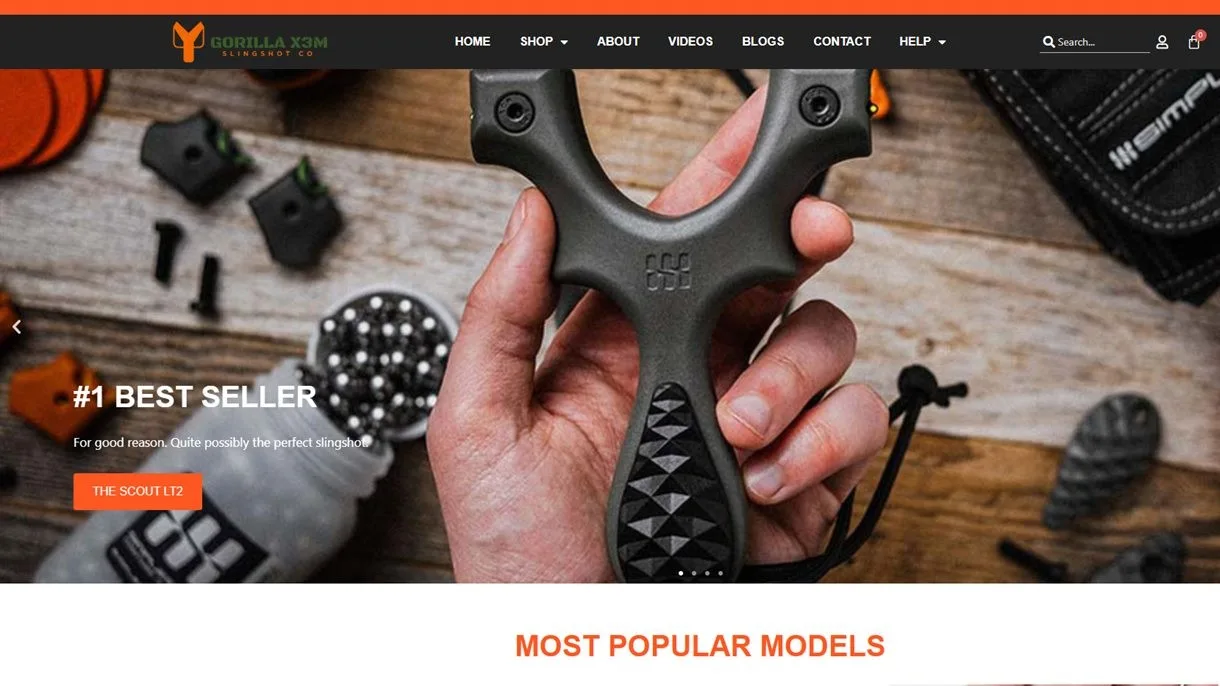 Gorilla X3M Slingshot CoOnline store
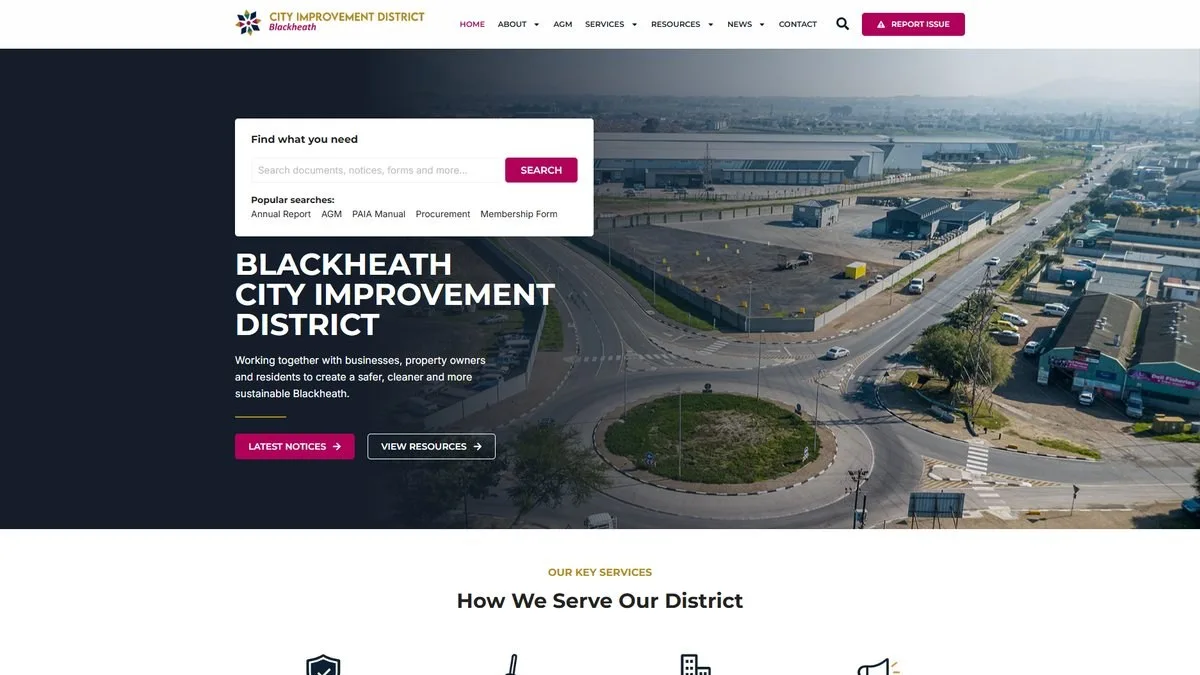 Blackheath CIDWebsite
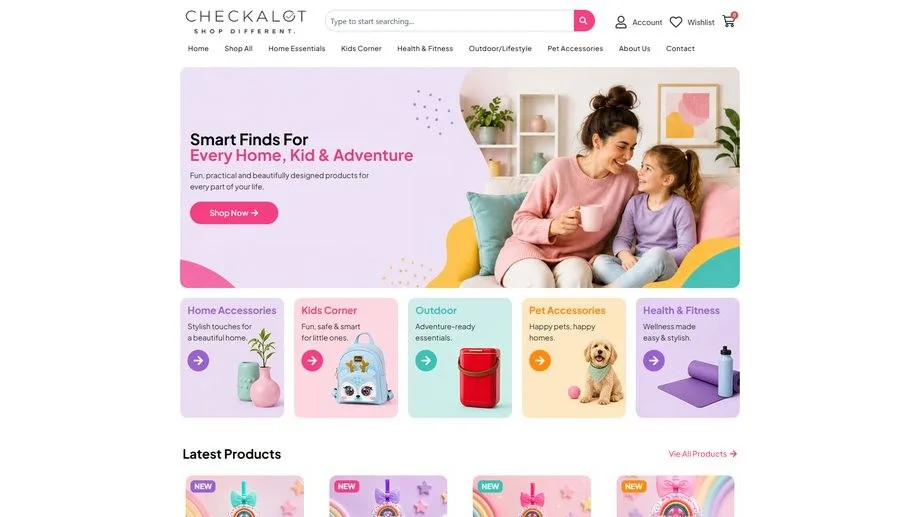 CheckalotOnline store
Websites and search visibility for South African manufacturers, built around the engineers and buyers who research specifications thoroughly and shortlist suppliers long before anyone picks up a phone.
Material grade, dimension, process, standard. If your site only talks about your company, you are invisible to the search that matters.
By the time an enquiry arrives, most of the decision is made. The website did the selling, and you were not in the room for it.
Choosing wrong costs them a production run, not a small refund. Certifications, capacity and track record are weighed the whole time.
An illustration of how a technical buyer shortlists suppliers.
Technical buyers eliminate options quietly, before they contact anybody. Suppliers who answer their question get shortlisted. The rest never find out they were in the running.
An engineer with a specification searches for the material, tolerance or process, not for your company name. Most manufacturing websites answer none of it: they say "quality engineering solutions" and stop.
Manufacturing sites are usually the oldest thing a business owns. Until the site presents what you can make, to what tolerances and in what volumes, there is nothing worth sending a buyer to.
The knowledge already exists inside your business. It has simply never been written down where a buyer, or Google, can read it.
Processes, machine list, materials, tolerances and volume range. "Quality engineering solutions" tells a buyer nothing they can act on.
What you are certified to and what you comply with, stated plainly. For regulated buyers this is a filter before anything else is read.
Not only in a PDF behind a form. A datasheet nobody can read without handing over their email is a datasheet Google cannot read either.
Somewhere to send a drawing or a spec, with a realistic idea of what happens next. Long forms asking for budget and company size lose serious buyers.
Because almost nobody writes it. Technical searches are specific, low in volume and mostly uncontested, which is exactly what makes them winnable.
Most manufacturers publish a brochure site and stop. The specific questions are wide open, often with nobody answering them properly at all.
Nobody searches a material grade out of curiosity. Low traffic with high intent beats high traffic that never buys.
A specification page written once keeps bringing enquiries for years, because the underlying question does not change.
Nearly always the website first, then SEO. Ads work here too, but suit specific product lines more than the business as a whole.
Capability, standards and specifications presented so a buyer can assess you without an email exchange.
Learn more SEO servicesWinning the specific technical searches your competitors have not bothered to answer.
Learn more Custom developmentProduct configurators, quote builders and integrations for ordering that does not fit a standard form.
Learn more The online storeA trade store for standard lines, so repeat orders do not tie up your sales team.
Learn moreThe technical searches in your field, who currently answers them, and what your site says instead. Free, and yours to keep.
Most of the content already exists as expertise. It just needs writing down, from what you tell us.
Structured so a buyer and a search engine can both read them, with a quote path that does not put off serious enquiries.
In manufacturing, a handful of the right enquiries beats thousands of visitors.
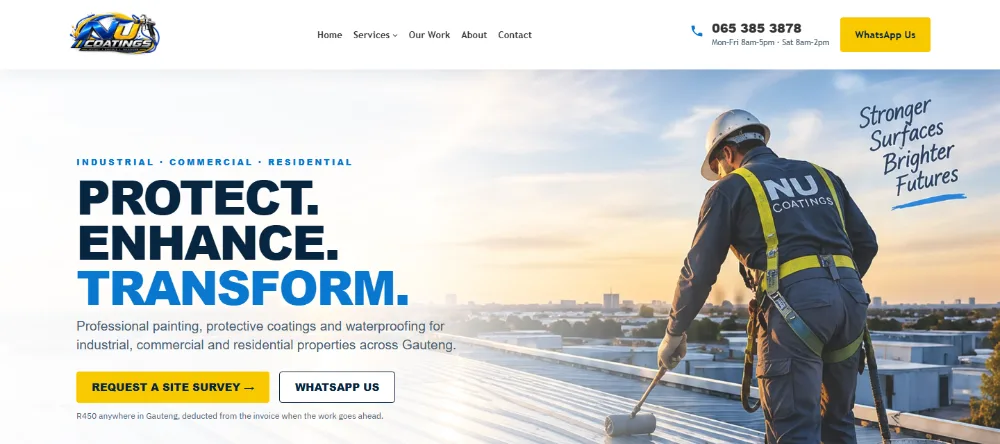 Industrial and tradeNu Coatingsnucoating.co.zaVisit site →
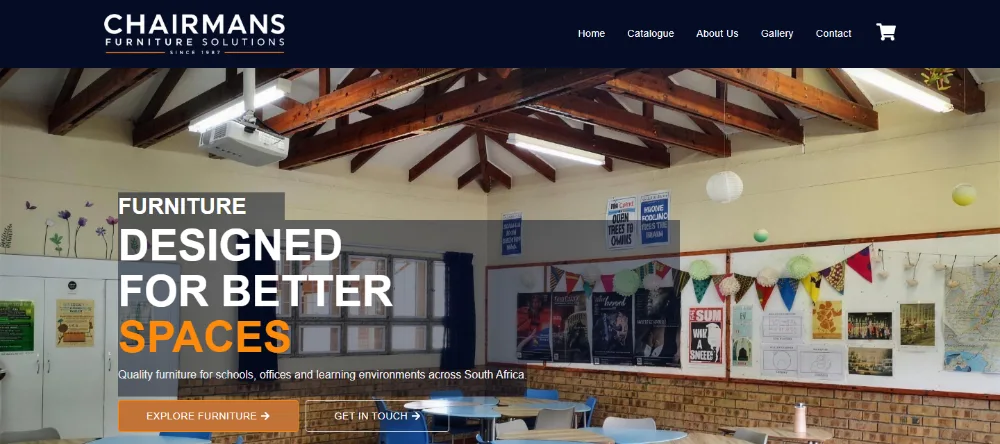 Industrial and tradeChairmans Furniture Solutionschairmanscc.comVisit site →
 Industrial and tradeMegatron Energymegatronenergy.co.zaVisit site →
 Industrial and tradeHighveld Grouphighveldgroup.co.zaVisit site →
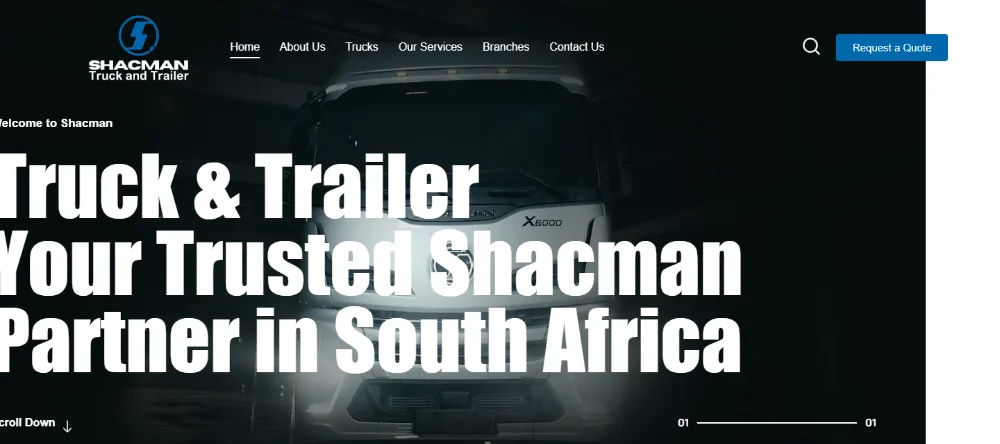 Industrial and tradeShacman Truck & Trailershacmantnt.co.zaVisit site →
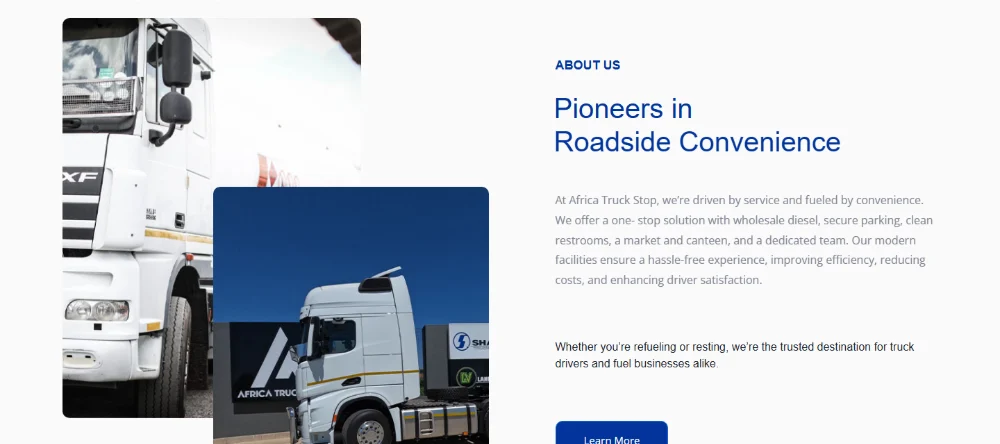 Industrial and tradeAfrica Truck Stopafricatruckstop.comVisit site →
Your competitors already know what your machines can do. Your customers are the ones who cannot find it. Withholding capability detail costs you buyers while protecting nothing, and the suppliers publishing openly are the ones getting shortlisted.
It matters more, not less. Your rep opens the door and the buyer then checks you online before committing, often with a colleague who has never met you. That second person only sees the website.
Usually not. Gating a datasheet collects a few email addresses and loses the engineers who move to a supplier who published theirs openly. It also hides the content from Google. Publish the specification and keep the form for people who want to talk.
Capability, not a catalogue. The processes you run, the materials you work in, the size and tolerance range you hold, typical lead times and the kinds of work you take on. Buyers of custom work are checking whether you can do it at all.
Months, as with any SEO. Technical searches are less contested than consumer ones, so specific pages often move faster than you would expect. Expect a small number of highly relevant enquiries, not a flood.
Only if you have standard lines worth ordering repeatedly. Many manufacturers run both: a store for consumables and stock items, and a quote path for custom work.
Yes. We are based in Gauteng and work with manufacturers across South Africa, including Johannesburg, Pretoria, Durban, Gqeberha and Cape Town. Everything runs remotely, and local search is set up for wherever you actually operate.
Send us your web address and what you make. We will show you the technical searches in your field, who is answering them, and what your site says instead. Free, with a reply in one business day.
Read our reviews on Google