Precincts & CIDs · South Africa

Measured in confidence.

Public-facing digital infrastructure for city improvement districts, precincts and member organisations — where the job is not to sell anything, but to show clearly what is being done and who is doing it.

Public
Sector infrastructure
Levy
What it must account for
SA
Based & supported
5.0
Google rating
The audience

Who is a precinct website actually for?

Several groups at once, and none of them are customers. Property owners want to see what their levy pays for. Residents and tenants want to know who to call. Businesses and investors are judging whether the area is well run. The City and your service providers need somewhere official to point at. One site, four very different reasons for being there.

Property owners

They fund the precinct. They want the budget, the reports and a straight answer on what the levy delivered this year.

Residents and tenants

They want the practical things: who patrols, what to do about a problem, and a number that reaches a real person.

Businesses and investors

Anyone considering the precinct is reading the website as evidence of how the area is managed. It is often the first impression.

The City and partners

Councillors, municipal departments and service providers need an official public reference for who you are and what you do.

What it needs

What does a precinct site need to carry?

Four things above everything else: what the precinct actually does, how to report a problem, who is accountable, and the documents that prove it. A CID website that answers those four properly does more for confidence in the precinct than any amount of design polish on top.

What the levy pays for

Security, cleaning, urban management, whatever your mandate covers — described plainly, not in the language of a board report.

A way to report something

A broken light, a dumping spot, a security concern. One obvious route in, and an answer about what happens next.

Documents in the open

Annual reports, budgets, business plans, AGM notices and minutes — findable without emailing someone to ask for them.

News that stays current

A precinct site with nothing posted since 2023 says more about the organisation than the content ever could.

The measure

Why does clarity matter more than conversion?

Because a precinct is not asking anyone to buy — it is asking them to have confidence in how their money is being spent. There is no cart to optimise. The site succeeds when a levy payer finds the answer without phoning, and when someone unfamiliar with the precinct comes away thinking it is well run.

It is your legitimacy

For a levy-funded body, being open about what you do and what it costs is not marketing. It is the job.

It answers the repeat questions

The same handful of questions arrive by phone every week. Answered properly online, most of them stop arriving.

It supports renewal

When the mandate comes up for renewal, a public record of what was delivered is worth far more than a presentation.

Proof

What does that look like in practice?

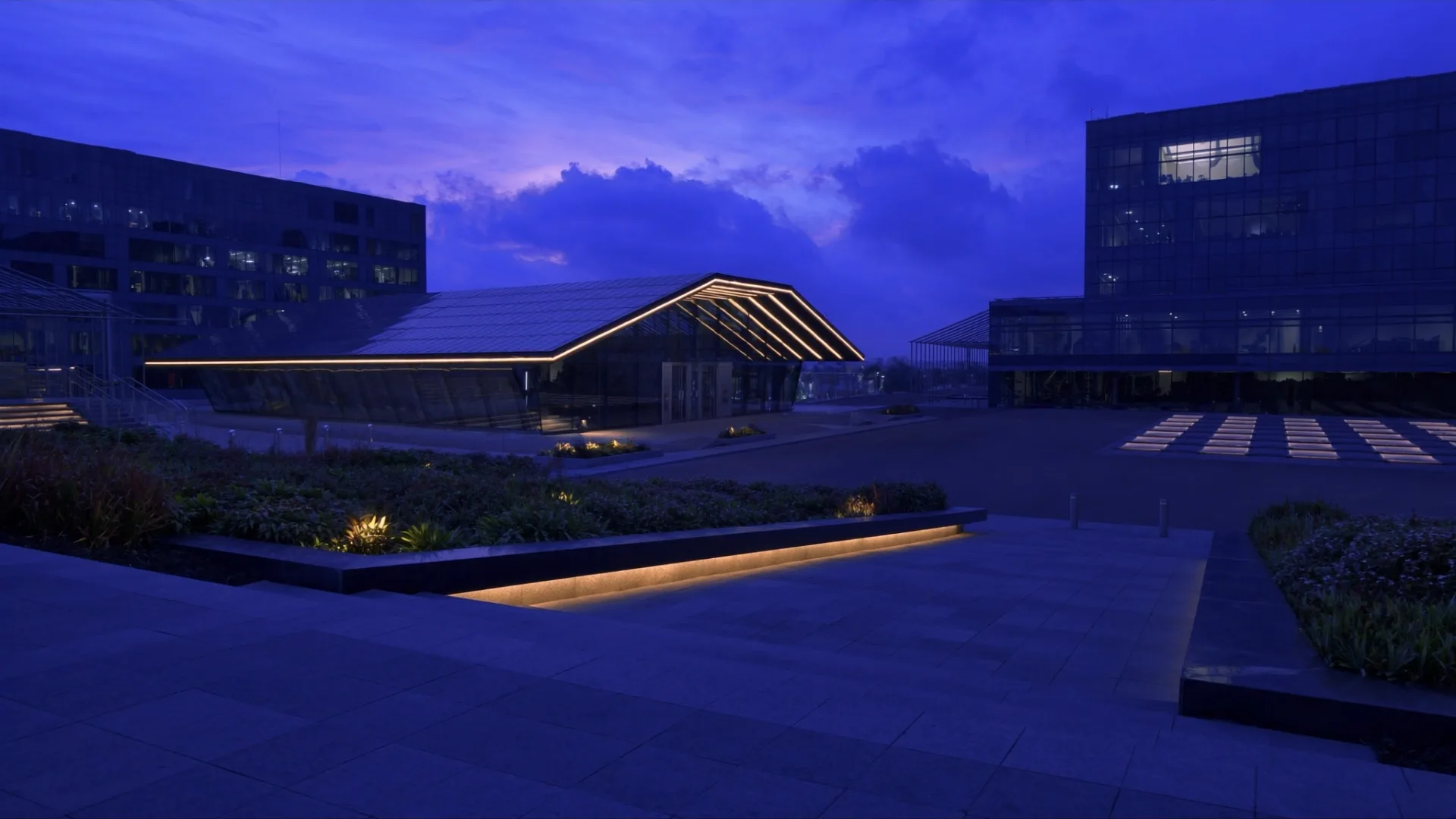
We rebuilt Blackheath CID around the people it answers to — residents, members and stakeholders — with clear service information and a public home for precinct communication. Success there was never going to be a conversion rate; it was whether the precinct reads as well run.

Modern urban business precinct at blue hour
Public
Sector infrastructure
Precinct · Redesign

Blackheath CID

Digital infrastructure for a city improvement district. Rebuilt around residents, members and stakeholders, with clear service information and a public home for precinct communication. Success measured in confidence, not conversions.

Read case study
Where to start

Which services do precincts usually need?

Usually the website, then hosting and care to keep it current. Precinct sites fail slowly rather than suddenly — they go stale, the documents stop being uploaded, and eventually nobody trusts what is on there. Keeping it maintained matters more here than almost anywhere else.

The website

Built around your services, your documents and your reporting route, in language a resident understands. Web design

Hosting and care

Backups, updates and a site that stays online — with someone to call when something needs changing. Hosting

Custom development

Member areas, document libraries and incident reporting where a standard page is not enough. Custom development

Local search

So that people searching your precinct by name, or asking who manages the area, find you rather than guessing. Local SEO

Getting started

How does working together start?

By reading your site the way a levy payer would — looking for what the precinct does, who runs it, and where the reports are. Whatever we cannot find in a few minutes is usually the same thing your office is answering on the phone every week.

01
Audit

Read it as a resident

What is easy to find, what is buried, and what is missing entirely. Free, and yours to keep.

02
Structure

Sort out who it speaks to

Mapping the site around your real audiences — owners, tenants, businesses and the City — so each one has a clear path.

03
Build

Build the public home

Services, documents, contacts and reporting, with a news section your team can actually keep up with.

04
Maintain

Keep it current

Updates, backups and content changes handled, so the site still reflects the precinct in two years' time.

Questions, answered

Questions from precincts and CIDs.

Accountability and access. It is where a levy payer checks what their money funded, where a resident finds out who to call, and where anyone assessing the area forms an opinion about how it is run. The measure is confidence rather than conversions, but it is still a measure — and a stale, unclear site fails it badly.

Both, on separate paths. Owners are looking for governance — budgets, reports, board information. Residents and tenants want the practical side. Trying to serve both in one voice produces a site that reads like a board pack to residents and like a brochure to owners.

Yes. A member area can sit behind a login so board packs, minutes and internal reports are available to the people entitled to them while the public documents stay open. Where that line falls is your decision, and it gets built to match. Custom development

Yes — anything from a simple form that reaches the right inbox through to a logged report with a reference and a location. The important part is deciding beforehand who receives it and what the person reporting is told to expect, because an unanswered report costs more trust than no form at all.

Whoever suits your office. The site is built so your team can post news and upload documents without needing us, and a care plan covers the changes you would rather hand over. Most precincts do a bit of both.

Not in the way a shop does — you are not competing for rankings. What matters is that people searching your precinct by name, or asking who manages the area, land on you rather than on an old listing or a news article. That is mostly local search and clear structure, not an ongoing campaign.

Yes. We are based in Gauteng and work with precincts, improvement districts and member organisations across South Africa, including Johannesburg, Pretoria, Durban, Gqeberha and Cape Town. Projects run remotely, which suits committee schedules better than meetings do.

Free audit

Can a levy payer find what they need?

Send us your web address. We'll go through the site the way an owner or a resident would, and show you what is hard to find, what is out of date, and what is missing.