 Skip to content



+314%
Net sales
E-Commerce · Redesign & SEO
Boba Licious
A DIY store rebuilt into a proper WooCommerce business in three weeks. Net sales reached R482,934, up from R116,553.
Read case study

We build high-conversion websites on WordPress and WooCommerce for commercial and industrial businesses — mobile-first, fast, and structured around how your buyers actually decide.
Most websites fail commercially for three reasons: they load too slowly, they were designed for desktop and adapted to mobile afterwards, and search visibility was treated as something to add later. None of these show up in a screenshot, which is why a site can look expensive and still generate nothing.
Bloated themes and stacked plugins push load times past the point where visitors wait. On a mobile connection, a few seconds is the difference between an enquiry and a back button.
Most of your traffic is on a phone, yet most sites are designed on a desktop and squeezed down afterwards. The screen carrying the majority of your buyers gets the compromised version.
Structure, headings and page weight decide how well a site can ever rank. Retrofitting that onto a finished build costs more than doing it at the start, and rarely works as well.
We build custom sites on WordPress and WooCommerce, designing for mobile first and writing clean, lightweight markup so the site is fast and ready to rank the day it launches. Every build is scoped and priced before work starts, then delivered in stages with review points.
Shaped around where buyers hesitate and what they need to see before acting — not around what photographs well.
Designed on the small screen first and scaled up, so the majority of your traffic gets the considered version.
No bloated themes or plugin sprawl. Disciplined page weight keeps the site fast and cheap to maintain.
Proper structure, headings and metadata built in, so the site can rank rather than needing rescuing later.
Most sites go live within two to four weeks. Smaller builds move faster; larger ones take longer because there's more to get right. The biggest variable is how quickly content and sign-offs come back — the more prepared you are, the sooner you launch.
A 30-minute session on your goals, your buyers and your current setup. By the end we both know whether we're the right fit.
Pages, structure and the path a buyer takes to enquiry. You get a written scope at a fixed price before design starts.
Design and development with review points along the way, so you can course-correct while it's still cheap to do so.
We test, migrate and launch, then hand over full ownership and access. Managed hosting and care are available if you want them.
Two recent rebuilds: an online store grew net sales 314% to R482,934, and a retailer's organic traffic rose 184%, with a single quarter beating its entire previous year. Figures come from client Google Analytics and WooCommerce reporting, not projections.
A DIY store rebuilt into a proper WooCommerce business in three weeks. Net sales reached R482,934, up from R116,553.
Read case study
After redesign and SEO, Q1 2026 traffic alone passed the whole of the previous year, at an 8.9% click-through rate from search.
Read case study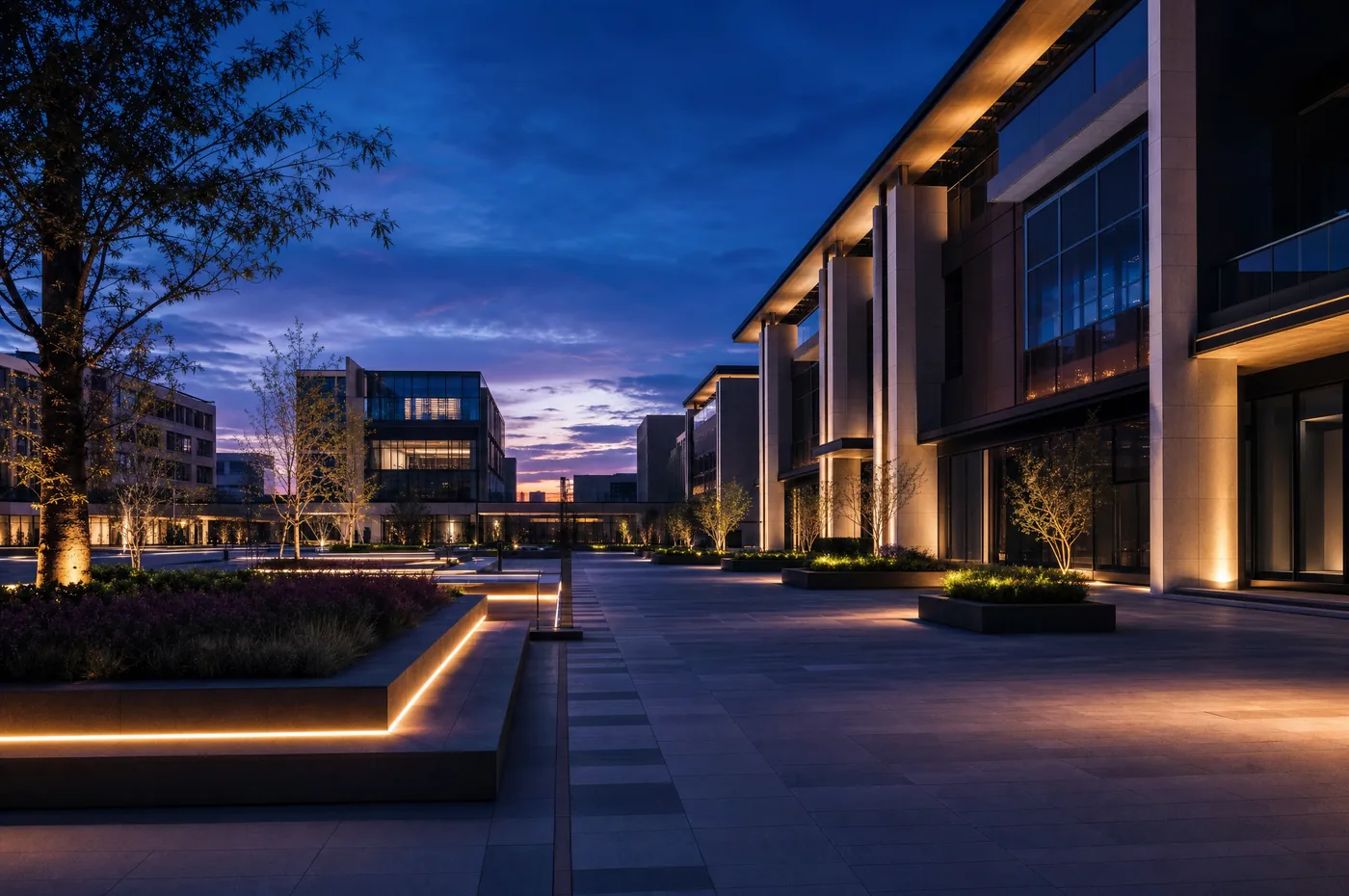
Digital infrastructure for a city improvement district, rebuilt around residents, members and stakeholders.
Read case studyEvery website is quoted at a fixed scope before work begins, so the price you agree to is the price you pay — no hourly billing and no add-ons appearing at the end. Cost depends on how many pages you need and whether you are selling online. Full package details and monthly options are on the pricing page.
Most sites go live within two to four weeks. Smaller builds move faster, while larger ones take longer because there is more to get right. The biggest variable is how quickly we receive your content and sign-offs.
Yes, completely. Once your build is paid up, the site and everything in it belongs to you. No lock-in, no holding your domain hostage, and no monthly fee just to keep your own website online.
Every site ships with SEO-ready foundations: clean structure, fast load times and mobile-first design. That gets you visible. To actively climb the rankings and pull in leads, our SEO service takes it further.
Redesigns and migrations are a large part of what we do. We audit what you have, keep what works, and rebuild the rest on a faster, cleaner foundation — without losing the ground you have already earned in search.
We do. Managed hosting and care covers updates, security, daily backups and uptime monitoring, so you are never left patching plugins or chasing downtime.
WordPress for business websites and WooCommerce for online stores. Both are widely supported, straightforward for your team to update, and avoid tying you to a proprietary platform you cannot leave.
Yes. We are based in Gauteng and work with commercial and industrial businesses across South Africa, including Johannesburg, Pretoria, Cape Town and Durban. Projects run remotely with scheduled review calls.
Book a free 30-minute call. We'll review your current setup, flag the quick wins, and map out what a build would involve. No obligation, and the roadmap is yours to keep.