 Skip to content


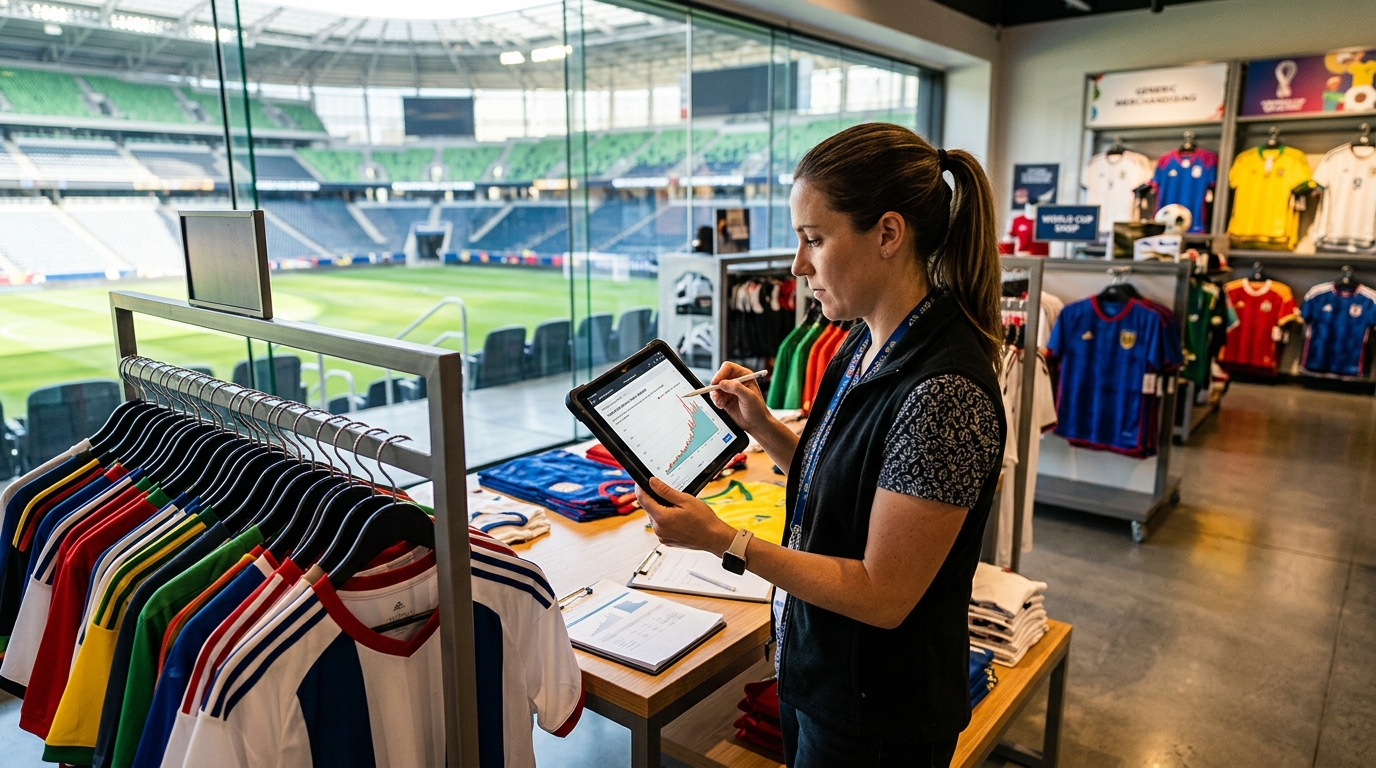
Search interest in official tournament shirts has spiked more than 4,000% this year, and if your store isn’t built to catch that spike, you’re watching someone else’s cart total climb instead of yours. Micro-trend merchandising for capturing 2026 World Cup apparel search intent is not a marketing nice-to-have this season. It’s the difference between a store that sells out and one that sits on stock nobody searched for.
Key Takeaways
| Question | Answer |
|---|---|
| What is micro-trend merchandising? | Spotting fast-moving, narrow search spikes (a specific jersey, colourway, or streetwear style) and stocking, pricing, and advertising against them before the spike flattens. |
| Why does the 2026 World Cup matter for apparel search intent? | Search volume for tournament shirts is up more than 4,000% and Pinterest searches for “World Cup shirts” rose 840% year-on-year in March alone, both signalling buying intent months ahead of kickoff. |
| Is blokecore still driving jersey demand? | Yes. Searches for jersey streetwear outfits are up over 400%, and the case studies we’ve run show that streetwear crossover keeps demand high even outside match days. |
| How do stores forecast demand for a short-lived trend? | Through e-commerce demand forecasting built on live search data, not last year’s sales report. This is covered in the demand forecasting section below. |
| What store features actually convert micro-trend traffic? | Fast checkout, stock-linked ad creative, and a homepage that isn’t a digital brochure. Our e-commerce packages are built around exactly this. |
| Does South African retail need a different strategy? | Yes. South African retail SEO for World Cup merchandise needs local intent signals layered on top of global trend data, which we unpack in the dedicated section below. |
| Should budgets shift with search spikes? | Absolutely. Inventory-linked ads that adjust spend to what’s actually in stock outperform static campaigns every time a micro-trend surges. |
What Is Micro-Trend Merchandising, and Why 2026 World Cup Apparel Search Intent Matters Now
Micro-trend merchandising means treating a three-week search spike with the same seriousness most retailers reserve for Black Friday.
It’s not guesswork. It’s watching what shoppers are typing before they type it into your search bar, and having the stock, the page, and the ad already live when they do.
The 2026 World Cup has turned this from a nice idea into a performance variable every apparel retailer has to plan around. Search growth for the adidas Samba Jane sits at more than 7,500% compared to last year, a number that has nothing to do with match schedules and everything to do with soccer culture bleeding into everyday streetwear.
That’s not a seasonal blip. That’s the ground beneath your feet right now if you sell apparel of any kind.
The Blokecore Effect: Reading Streetwear Search Volume Around the Mexico Jersey 2026 Opportunity
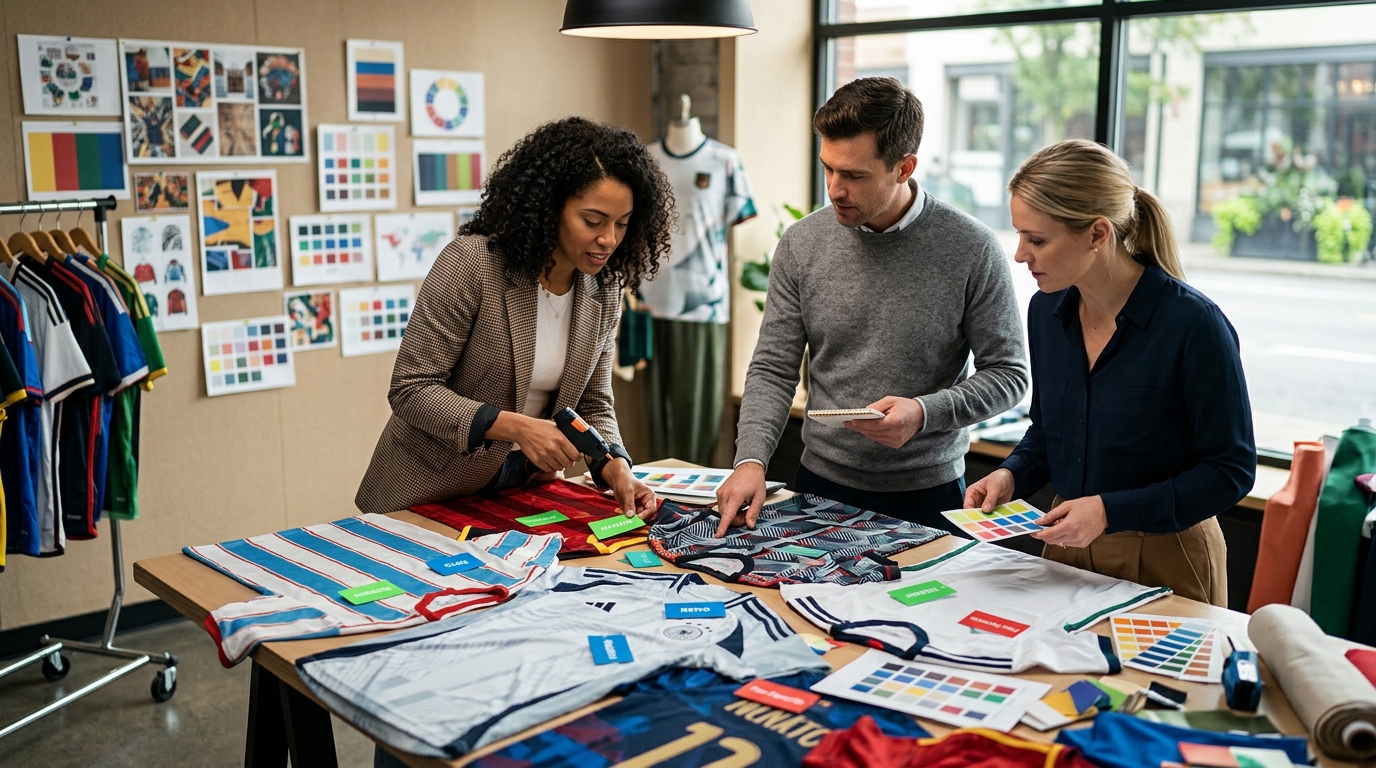
Blokecore didn’t start with the tournament, but the tournament is pouring fuel on it. Search volumes for jersey streetwear outfits are up over 400%, and a huge chunk of that is co-host country merchandise being worn nowhere near a stadium.
The Mexico jersey 2026 search cluster is a good example of why co-host demand behaves differently to typical national team demand. Mexico’s fanbase spans multiple countries and diaspora markets, which means the search intent isn’t localised the way it would be for a single-host tournament.
Retailers who treat this as one national jersey among many are leaving money on the table. Retailers who treat it as a distinct micro-trend, with its own sizing patterns, its own colourway preferences, and its own resale crossover into streetwear, are the ones converting the spike into revenue.
- Retro-cut jerseys paired with denim and sneakers, driven by blokecore aesthetics rather than fandom.
- Co-host country shirts (Mexico, Canada, USA) searched at volumes disconnected from those countries’ actual squad rankings.
- Cropped and oversized fits of official kits, a crossover audience traditional football retailers often miss entirely.
Reading the Data: E-Commerce Demand Forecasting for 2026 World Cup Apparel Micro-Trends
Static inventory planning is broken for this event. If you’re ordering stock based on last year’s sell-through, you’re planning for a tournament that doesn’t exist.
Real e-commerce demand forecasting for 2026 World Cup apparel micro-trends means pulling live search and social signal data weekly, not quarterly. Pinterest searches for “World Cup shirts” jumped 840% year-on-year in March, months before a single ball was kicked, which tells you the buying window opens far earlier than most merchandising calendars assume.
Did You Know?
Nike’s World Cup merchandise sold through at 28% within the first two weeks, nearly four times Adidas’s 7% rate over the same window.
Source: Lipper Alpha Insight
That sell-through gap isn’t about brand loyalty alone. It’s about which retailer had the right stock levels tied to the right search signals at the right moment. That’s demand forecasting doing its job, or failing to.
Capturing 2026 World Cup Apparel Search Intent With Inventory-Linked Ads
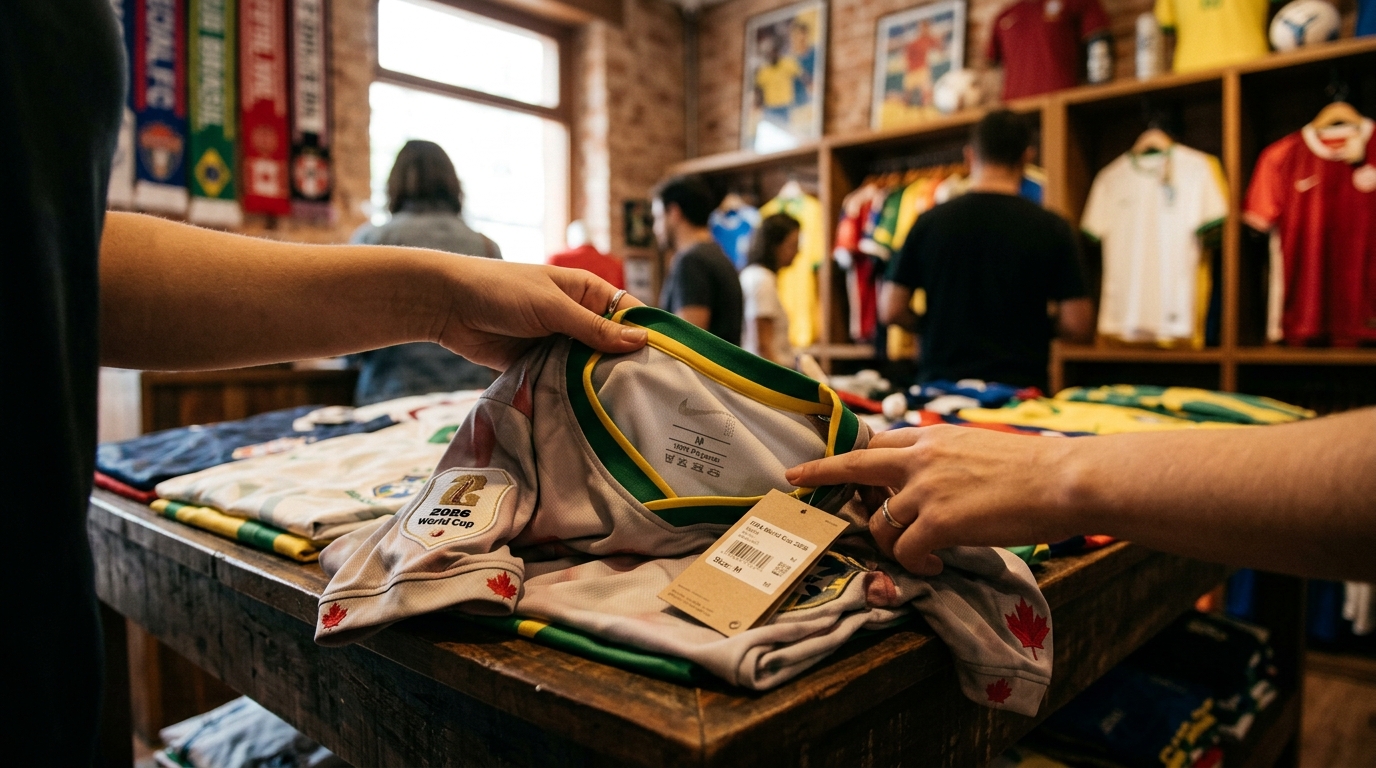
Your ad spend cannot run on autopilot during a tournament this size. Inventory-linked ads, campaigns that automatically shift budget and creative toward whatever stock is actually available and actually trending, are how you avoid selling out of one SKU while another sits untouched.
This is where a static Google Ads account becomes a genuine liability. If your campaigns aren’t reading stock levels in real time, you’re paying to advertise products you can’t fulfil, and losing the click to a competitor who can.
Our Google Ads management is built around exactly this kind of responsiveness, with campaigns retuned around what’s actually converting rather than what was planned three months ago.
| Google Ads Tier | Monthly Investment | Best For |
|---|---|---|
| Basic Google Ads | R3,500 | Testing a single micro-trend SKU fast |
| Standard Google Ads | R7,500 | Steady lead flow across multiple jersey lines |
| Premium Google Ads | R15,000 | Full-scale campaigns across the whole tournament window |
A jersey micro-trend can peak and flatten inside a fortnight. If your ad structure needs a week to adjust, you’ve already missed half the window.
South African Retail SEO and the Post-Link-in-Bio Reality for World Cup Merchandise
South African retail SEO for World Cup apparel has its own layer of complexity, because local buyers are searching alongside a global surge, not instead of it. Generic national content won’t cut through when someone in Johannesburg is typing the same search as someone in Manchester or Mexico City.
Your homepage is not a digital brochure, and this matters more during a tournament spike than at any other time of year. It needs to be a lead-generating asset that surfaces the exact jersey or streetwear crossover piece a shopper is already looking for, structured so both shoppers and AI-driven search tools can parse it instantly.
Structure is not a cosmetic choice in an AI-driven content strategy; it’s a performance variable, and during a search spike this size, a poorly structured product page is a hidden leak you can’t afford.
We work with retailers across Johannesburg and Pretoria on exactly this kind of local-meets-global optimisation, because South African retail SEO for a global event needs both layers working together, not one at the expense of the other.
Building a Store That Can Actually Capture the Spike
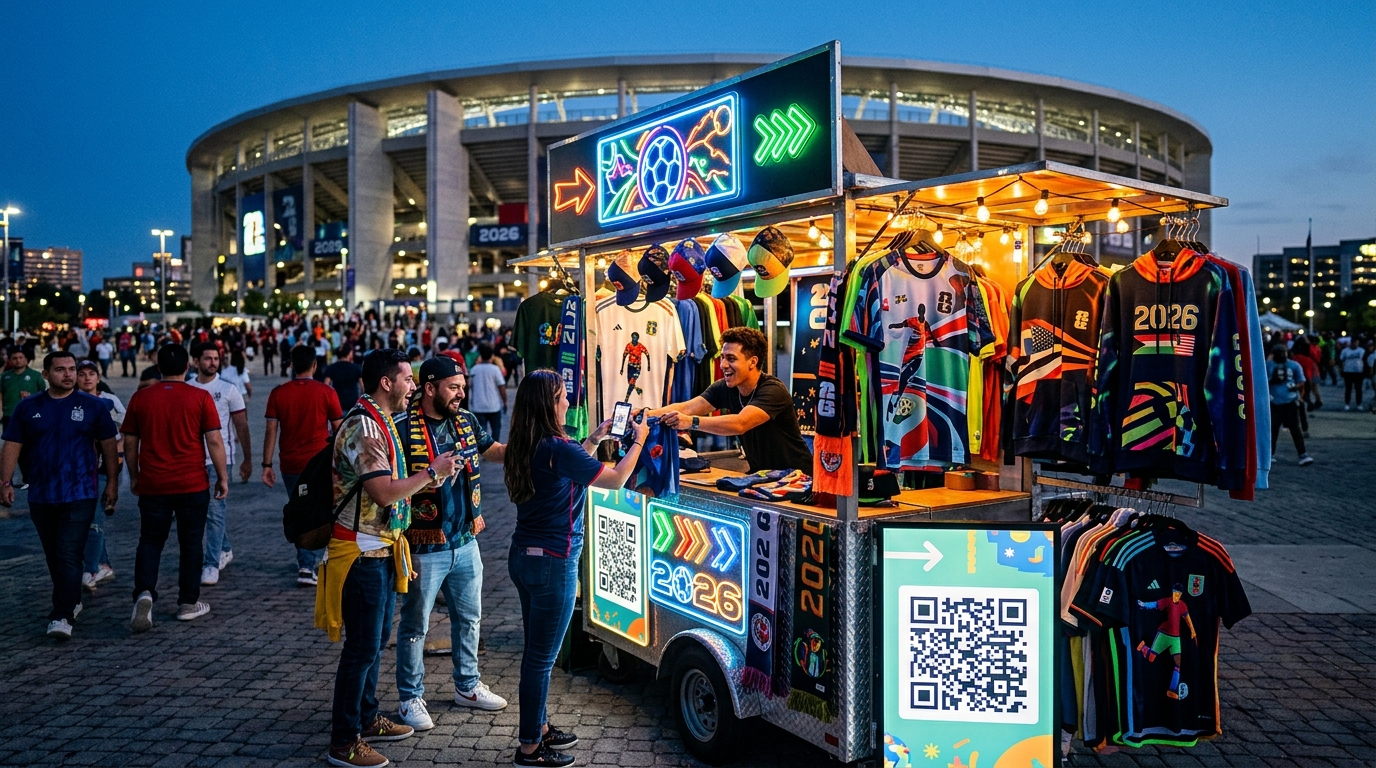
None of this data matters if your store can’t handle the traffic or the checkout speed a spike demands. A slow, cluttered product page loses the sale before the shopper even sees the price.
We build stores specifically scoped for this kind of demand, not generic templates repurposed for a tournament.
| Package | One-Off | Monthly | Best For |
|---|---|---|---|
| Starter Shop | R7,000 | R899 | Launching a focused micro-trend collection fast |
| Basic Shop | R10,500 | R1,399 | A growing range that needs room to scale mid-tournament |
| Business Shop | R16,000 | R1,949 | Established stores selling apparel at volume |
| Custom Shop | Let’s talk | Let’s talk | Complex, multi-category stores tracking several micro-trends at once |
All packages include 10 products from launch, which is enough to build a focused jersey and streetwear crossover collection without diluting your ad budget across an oversized catalogue.
The best web design and development for a tournament collection isn’t the flashiest theme. It’s the fastest one that gets a shopper from search click to checkout with the fewest steps in between.
Social Content and Ad Creative for a Fast-Moving Tournament Window
The 46% share of global sports views on TikTok now coming from female users in the first half of 2025 is a demographic shift most apparel retailers haven’t rebuilt their creative around yet. If your social content is still built for the audience you had in 2024, you’re already behind.
Did You Know?
32% of consumers say they’re interested in luxury collaborations with sportswear brands, a micro-trend high-end retailers can’t ignore during this tournament.
Source: Communicate Online
Getting your creative dimensions right matters just as much as the message. Our 2026 social media ad specs and UI safe zones guide covers exactly what’s changed in aspect ratios and safe zones so your product isn’t cropped out of its own ad.
Our social media management packages are built to keep pace with a trend that can shift week to week, not quarter to quarter.
| Social Tier | Monthly Investment | Best For |
|---|---|---|
| Starter | R1,500 | One platform kept consistently active |
| Growth | R4,000 | Regular content and engagement to grow reach |
| Premium | R8,000 | Full presence built for lead growth during the tournament |
Reported growth rates for 2026 World Cup apparel micro-trends across industry sources
The Bigger Picture: What This Spending Actually Represents
This isn’t a niche opportunity. The tournament is predicted to drive $4.1 billion in merchandise revenue globally, and the soccer-jerseys-as-streetwear category alone is projected to reach USD 3.02 billion this year.
In the US specifically, T-ROC Global projects $1.47 billion in wholesale and retail economic activity tied directly to the tournament, with Academy Sports + Outdoors expecting the event to add 30 basis points to same-store sales. Those aren’t small side-effects. They’re a signal that every apparel retailer, regardless of size, needs a plan for this window.
Pricing power backs this up too. Nike’s average World Cup apparel price sits at $125 against Adidas’s $95, showing that shoppers chasing this micro-trend aren’t hunting for the cheapest option. They’re hunting for the right one, fast.
Case Studies: What Winning Merchandising Execution Actually Looks Like
We’ve watched this play out across South African retail, not just in theory but in stores we’ve built and campaigns we’ve run. Our case studies show measurable traffic and sales growth from getting web design, hosting, and paid media working together instead of siloed off with three different vendors.
That’s the one-roof approach we push retailers toward for a reason. A tournament-driven spike doesn’t wait for your web team, your ad agency, and your hosting provider to sync up over email.

Conclusion: Micro-Trend Merchandising Is Not Optional in 2026
Micro-trend merchandising for capturing 2026 World Cup apparel search intent is not a future forecast. It’s the current reality for every apparel retailer with a live store, whether you sell jerseys directly or streetwear that simply overlaps with the trend.
The data is loud. Search interest up in the thousands of percent, sell-through gaps between competitors doubling and tripling, and a demographic shift on the platforms driving discovery. No jargon needed to explain it, just a clear read on what’s working and what’s costing you money if you ignore it.
If you’re not sure whether your store, your ads, and your content are actually built to catch this spike, that’s exactly what a free quote and store review is for. Find the leak before the tournament finds it for you.
Frequently Asked Questions
Is micro-trend merchandising worth it for the 2026 World Cup?
Yes. With apparel search interest up more than 4,000% and merchandise revenue projected at $4.1 billion globally, micro-trend merchandising for capturing 2026 World Cup apparel search intent is one of the highest-return moves an apparel retailer can make this year.
How early should retailers start capturing World Cup apparel search intent?
Pinterest searches for World Cup shirts were already up 840% in March, months before the tournament started. Retailers who wait until match week to build out stock and campaigns are entering the spike late, after competitors have captured the early demand.
What is blokecore and why does it affect jersey sales?
Blokecore is a streetwear trend built around retro football jerseys paired with everyday fashion, not match-day fandom. It’s driving over 400% growth in jersey streetwear search volume, which means demand extends far beyond typical football shoppers.
Why is the mexico jersey 2026 search trend different from other national kits?
As a co-host nation, Mexico’s jersey demand spans a wider, more dispersed international audience than a typical single-host tournament shirt. Retailers who treat mexico jersey 2026 searches as their own distinct micro-trend, rather than folding it into general national kit demand, tend to convert more of that traffic.
How does e-commerce demand forecasting work for a short tournament window?
Effective e-commerce demand forecasting for World Cup apparel pulls live search, social, and sell-through data weekly rather than relying on historical sales patterns. Because a micro-trend can peak and fade within a fortnight, forecasting needs to react in near real time, not on a quarterly cycle.
Are inventory-linked ads better than standard Google Ads campaigns for this kind of event?
Inventory-linked ads adjust spend and creative based on actual stock and real-time demand, which prevents wasted spend on sold-out SKUs during a spike. For an event with this much search volatility, static campaigns simply can’t keep pace with what inventory-linked ads deliver.
Does South African retail SEO need a different approach for global events like the World Cup?
Yes. South African retail SEO for World Cup merchandise has to layer local buying intent on top of a global search surge, rather than treating the tournament as a purely international event. Retailers who only optimise for global keywords miss local shoppers searching with the same intent but different phrasing and expectations.