Blackheath CID
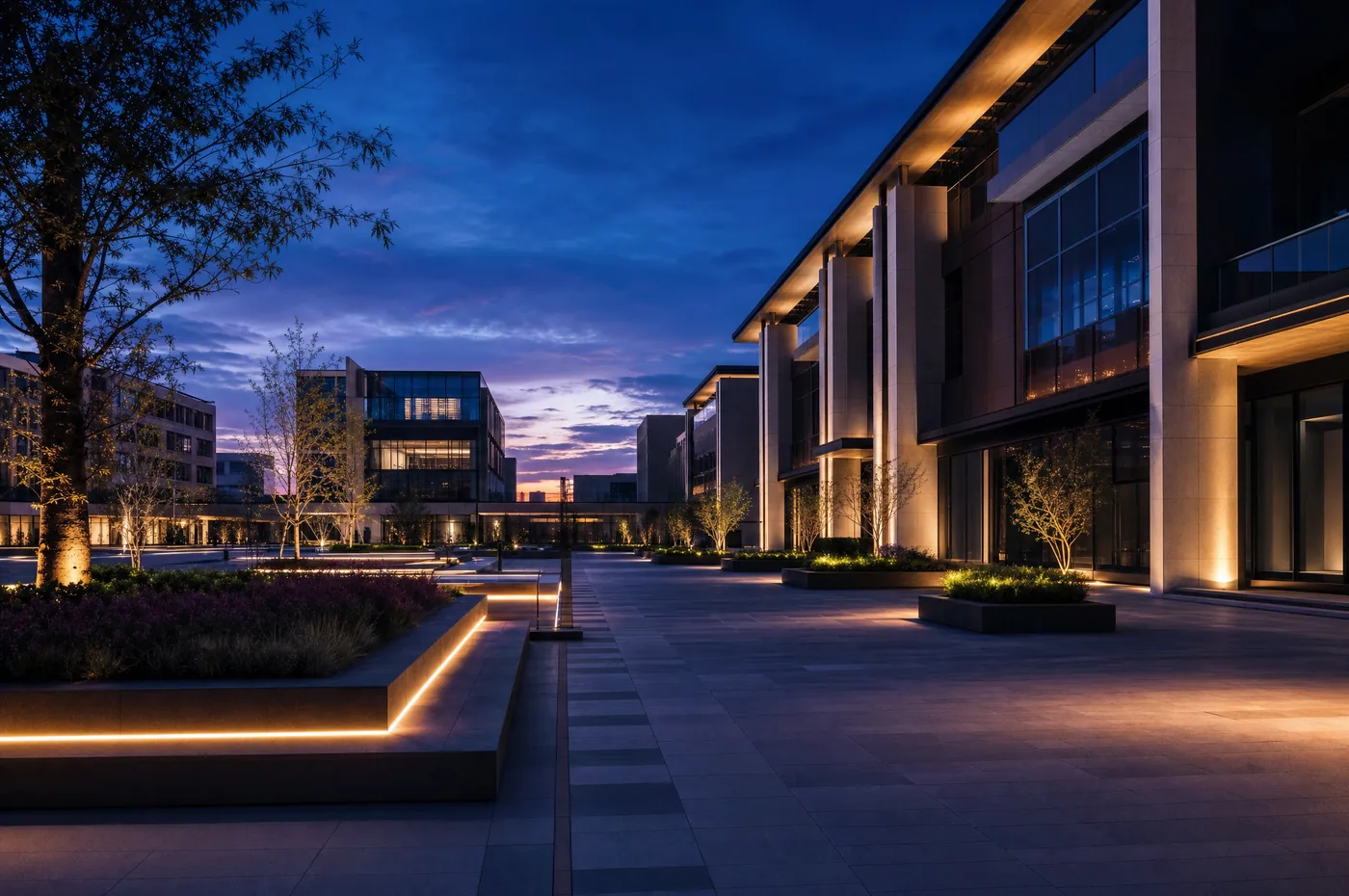
Digital infrastructure for a city improvement district, built around three different audiences — residents, members and stakeholders — each needing something different from the same site.
Read case studyBespoke features, integrations and portals built on WordPress and WooCommerce — for businesses whose process is too specific for a plugin and too important to work around.
You need custom development when your business runs on a process no plugin was written for — and you are paying for that gap in staff hours. The usual signs are a spreadsheet doing a system's job, five plugins stacked to half-solve one problem, or a job your team does by hand every day because the website cannot do it.
Orders, quotes or stock get re-typed between the website and a spreadsheet. Every manual hop is time spent and a chance to get it wrong.
Four or five plugins bolted together to approximate one requirement. Each adds weight, cost and something else that can break on update day.
Someone spends an hour a day on work a system could do in seconds. That hour has a salary attached to it, every week of the year.
More than most people expect. We build custom themes, purpose-built plugins, client portals, booking and quoting systems, and integrations with the software you already run. If the logic can be written down, it can usually be built — and it stays on standard WordPress, not a platform you cannot leave.
Built from your design rather than a bought template bent into shape. Lighter, faster, and with nothing in it you are not using.
One feature that does exactly what you need, instead of a marketplace plugin where you use a tenth of it and carry the rest.
Logged-in spaces for clients, members or staff — documents, order history, applications and whatever else belongs behind a password.
Configurators, quote builders and booking flows that price and capture the job properly the first time, without a phone call to confirm.
Yes — if it has an API or an export, it can usually be connected. Typical South African integrations include payment gateways like PayFast, Yoco and Ozow, courier and shipping platforms, accounting tools such as Xero and Sage, and CRM or email systems. The point is to stop information being re-typed from one screen into another.
Local gateways wired in properly, so checkout works for South African buyers instead of assuming everyone holds an international card.
Live rates, waybills and tracking pulled through to the customer, rather than quoted from memory and chased over email.
Orders and enquiries landing where your team already works, so the website feeds the business instead of sitting beside it.
In four stages, with a fixed scope agreed before any code is written. Most custom builds run four to eight weeks — longer than a standard website, because the logic has to be specified, built and tested rather than configured. You see working software at each review, not just screenshots.
We walk through the actual process, step by step, including the parts done by hand. Half the value is finding what does not need building at all.
A written spec covering behaviour, edge cases and what happens when something fails — then a fixed price against it. No open-ended hourly billing.
Developed on a staging site you can log into and use. You test it against real work before it goes anywhere near your live site.
Deployed, documented and handed over with the code. Any developer can pick it up later — including one who is not us.
Recent work spans a full WooCommerce rebuild, a retail site rebuilt for search, and digital infrastructure for a city improvement district serving residents, members and stakeholders. Figures below come from client Google Analytics and WooCommerce reporting, not projections.
Digital infrastructure for a city improvement district, built around three different audiences — residents, members and stakeholders — each needing something different from the same site.
Read case studyA DIY store rebuilt into a proper WooCommerce business in three weeks. Net sales reached R482,934, up from R116,553.
Read case studyAfter redesign and SEO, Q1 2026 traffic alone passed the whole of the previous year, at an 8.9% click-through rate from search.
Read case studyCustom work is quoted per project against a written specification, because no two builds are the same. You get a fixed price before development starts — not an hourly rate that grows. Standard website packages are on the pricing page if a custom build is more than you need.
Most custom builds run four to eight weeks, against two to four for a standard website. The difference is specification and testing: custom logic has to be written and proven, not configured. We give you a timeline with the quote, before work starts.
Yes. The code is yours, handed over with documentation, and written in standard WordPress and PHP rather than something proprietary. Another developer can take it over at any point — including one who is not us.
Often you should, and we will tell you when a plugin does the job — paying us to rebuild something that already exists helps nobody. Custom makes sense when the plugins only half-fit, when you are stacking several to cover one requirement, or when licence fees over a few years exceed the cost of building it once.
Usually, yes. We start with a short audit of what you are on and how it was built. If the foundation is sound we build onto it; if it is fragile, we will say so rather than adding weight to something that is already struggling. Either way you get the honest version before you spend anything.
Custom work is tested on staging before it goes live, and anything that turns out not to match the agreed spec gets fixed. Beyond that, ongoing changes and monitoring sit under hosting and care, so there is a maintained environment behind the build rather than a handover and silence.
Done properly it does the opposite. A purpose-built feature loads only what it needs, where a stack of general-purpose plugins loads everything for everyone. Custom builds ship with the same structural foundations as our web design work, and SEO is considered while it is being built.
Yes. We are based in Gauteng and take on custom development across South Africa, including Johannesburg, Pretoria, Cape Town and Durban. Projects run remotely, with scheduled review calls at each stage.
Book a free 30-minute call. Walk us through what your team does by hand, and we'll tell you what is worth building, what a plugin already solves, and what it would take.